This section is a working reference on the gastrointestinal nematodes (roundworms) that affect grazing animals — what they are, how they cause disease, and how they can be managed sustainably.
Each parasite is organised the same way, so you always know where to look:
- A master page with the overview, symptoms, a lifecycle summary, a treatment-and-prevention summary, and common questions;
- Detail pages that go deeper on the lifecycle, on treatment and resistance, and on prevention and pasture management.
We start with the parasite that causes the most acute losses in sheep and goats, the barber’s pole worm (Haemonchus contortus). Further parasites will be added over time — including the other worms that biological control helps reduce on pasture.
The worms biological control helps reduce
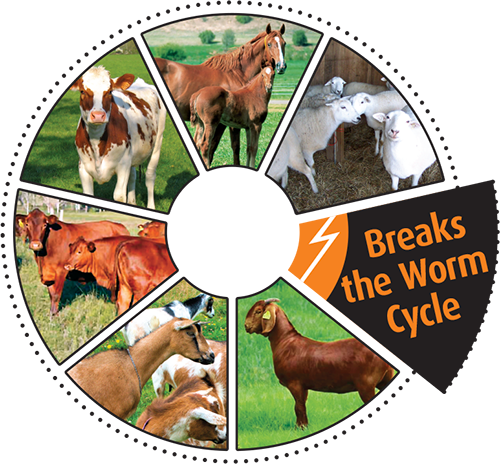
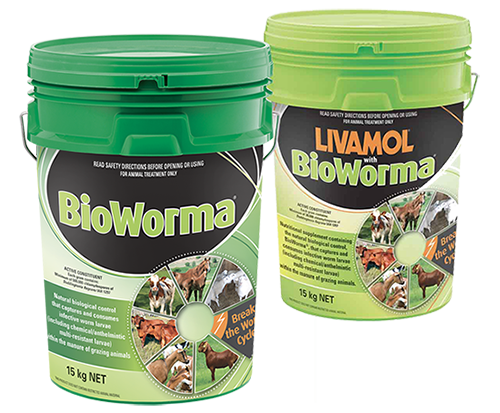
BioWorma’s active fungus acts on the free-living larvae of a wide range of gastrointestinal nematodes as they develop in manure, across multiple grazing species:
- Sheep, goats and cattle: barber’s pole worm, black scour worm, brown stomach worm and other strongyle-type worms.
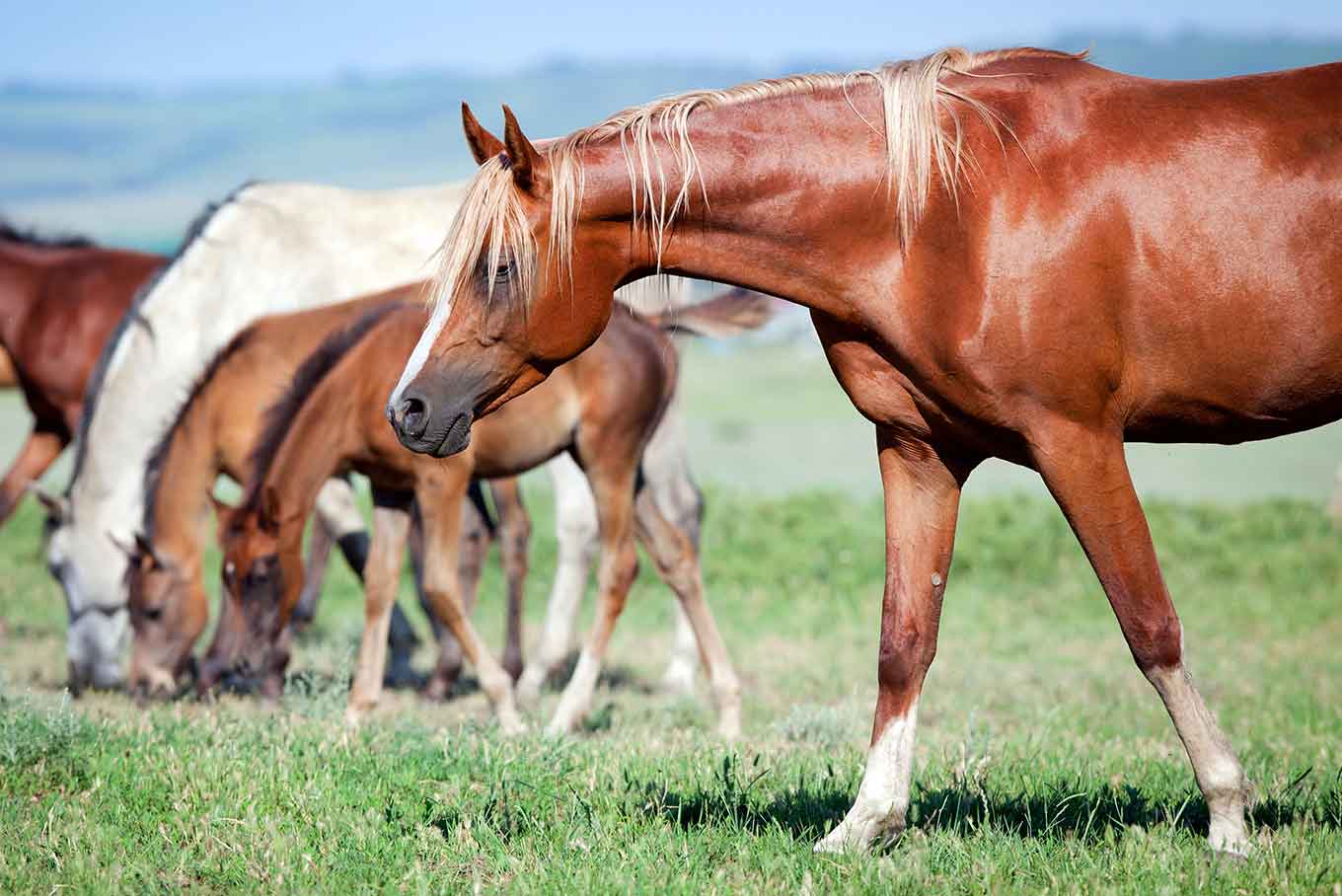
- Horses: large strongyles, small strongyles (cyathostomins / small redworms), and other gastrointestinal roundworms.
- Other grazers: including alpacas, deer and similar species kept on pasture.
Note: Biological control reduces the larvae on pasture. It is used alongside good drenching and grazing decisions — not as a replacement for them. Always treat clinically affected animals on veterinary advice.