Introduction
The barber’s pole worm is widely regarded as the most damaging worm of sheep and goats in warm, humid regions of the world, and it is an increasing problem in cooler areas too. Unlike most other gut worms, it feeds on blood. Heavy burdens can cause sudden death, sometimes before a producer notices anything is wrong.It takes its name from the adult female: her white egg-filled ovaries spiral around a blood-red gut, giving the classic red-and-white “barber’s pole” stripe.
Overview — What is barber’s pole worm?
Barber’s pole worm (Haemonchuscontortus) is a blood-feeding roundworm that lives in the abomasum - the fourth, “true” stomach of sheep and goats. It also affects camelids such as alpacas, and can infect cattle to a lesser degree.The adult worms attach to the stomach lining and feed on blood. Each worm draws only a tiny amount — in the order of 0.05 mL a day — but the numbers add up fast. A sheep carrying several thousand worms can lose hundreds of millilitres of blood every day, and as few as 500 worms can be enough to cause disease. The illness this produces is called haemonchosis.
Key Facts About Barber's Pole Worm
A blood-feeding parasite of sheep and goats.
Causes anaemia rather than scouring.
Can cause sudden death in severe cases.
Females lay thousands of eggs per day.
Most of the worm population exists on pasture as eggs and larvae.
Resistance to common drenches is increasing worldwide.
How to recognise it
Adult females are large for a gut worm (around 18–30 mm) and visible to the naked eye; males are smaller and pale. The female’s blood-filled gut, wound around by her pale ovaries, gives the worm its striped, barber’s-pole appearance.
Why it is different from other worms?
Most gut worms make animals scour (develop diarrhoea). Barber’s pole worm usually does not. Its hallmark is anaemia from blood loss, so producers who are only watching for scouring can be caught out. This is why checking the colour of the gums and inner eyelids is so important where the worm is present.
Where and when it strikes
The worm thrives wherever it finds warmth and moisture,which makes it a problem across much of the grazing world. Female barber's pole worms are highly prolific and can lay thousands of eggs every day, allowing pasture contamination to build rapidly under favourable conditions. Its heartland is the tropical and subtropical regions - through Africa, South and Southeast Asia, South America, the southern United States, and the warmer, summer-rainfall zones of Australia - where warm, humid conditions let it buildup fast and cause its most severe, sudden losses. It is also a major concern in the Middle East and in intensive racing and breeding operations in hot climates.
But barber's pole worm is no longer confined to warmer regions. It is increasingly reported in temperate and traditionally cooler areas — including parts of Europe, the United Kingdom and the cooler southern regions of Australia and New Zealand — as climates shift and the worm adapts. It can pause its development inside the animal to ride out winter, and in some regions has adjusted to develop and survive at lower temperatures than it once could. The result is that producers who never used to watch for it are now seeing it.
Across all of these regions the risk pattern is the same: young, growing animals and ewes or does around birthing are the most vulnerable, and poor nutrition makes the disease worse.
Why producers worry about it
Beyond animal welfare concerns, barber's pole worm can reduce growth rates, milk production and reproductive performance, while severe outbreaks can result in significant livestock losses.
Regions most affected
Australia
New Zealand
United States
South America
Africa
Europe (increasingly)
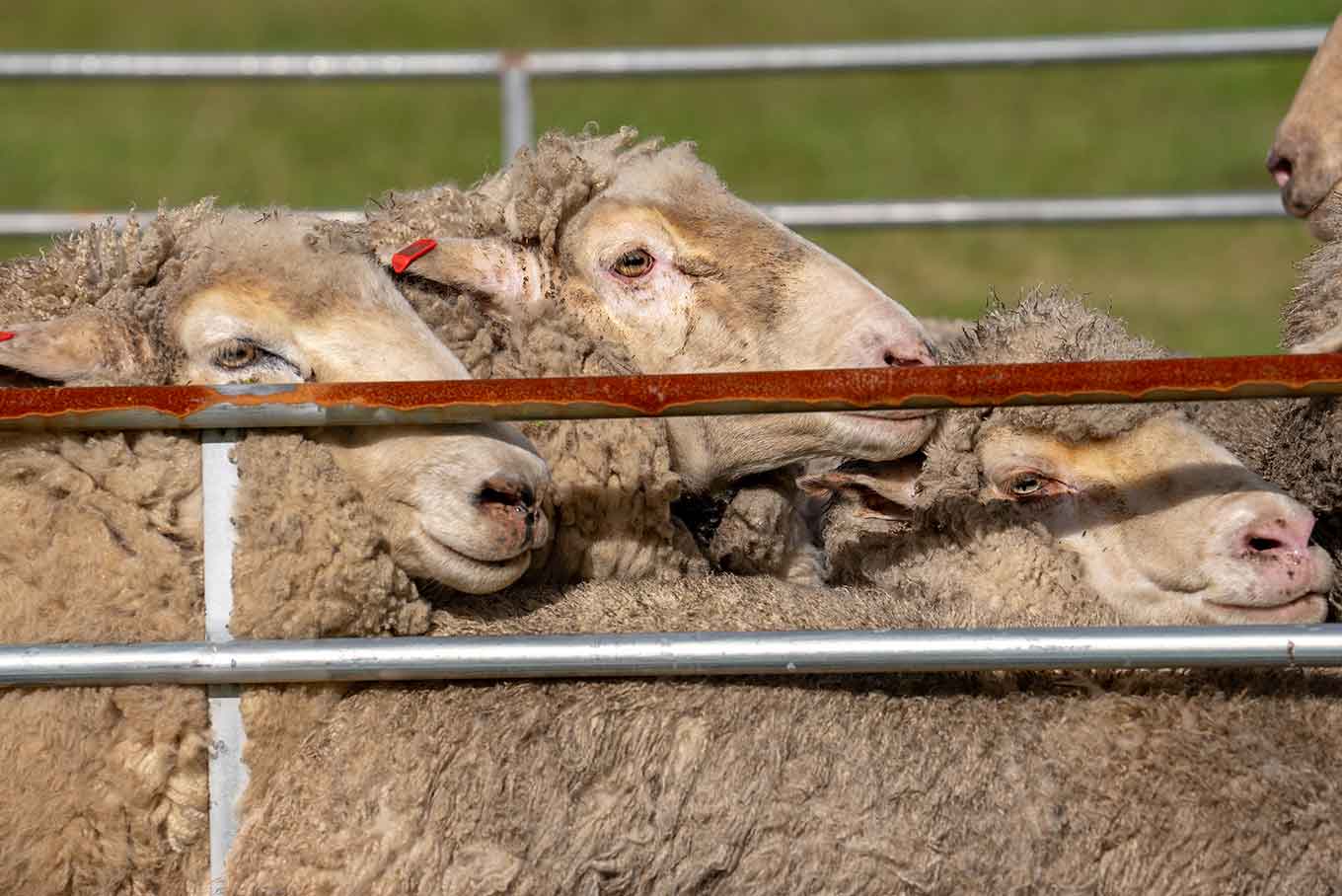
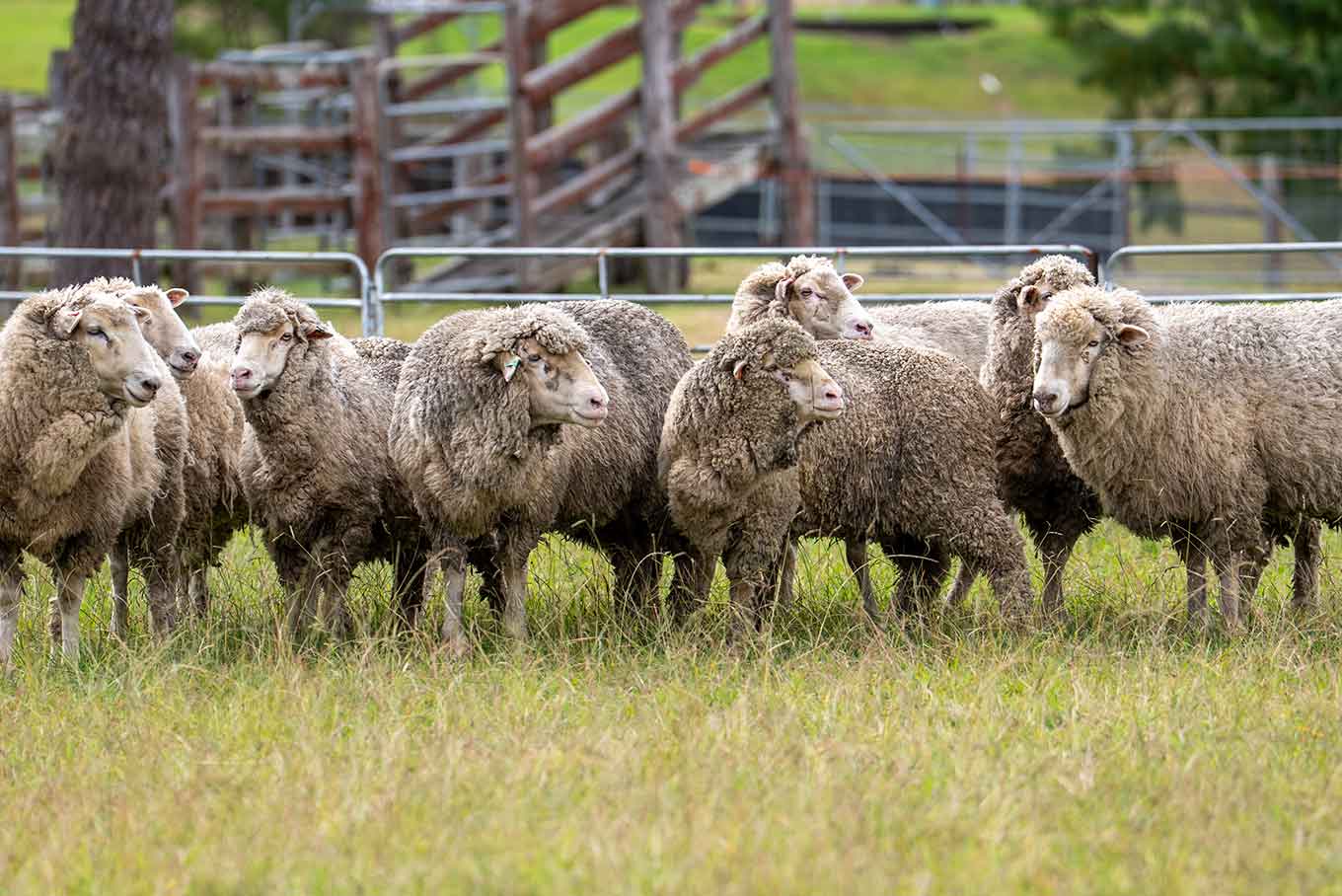
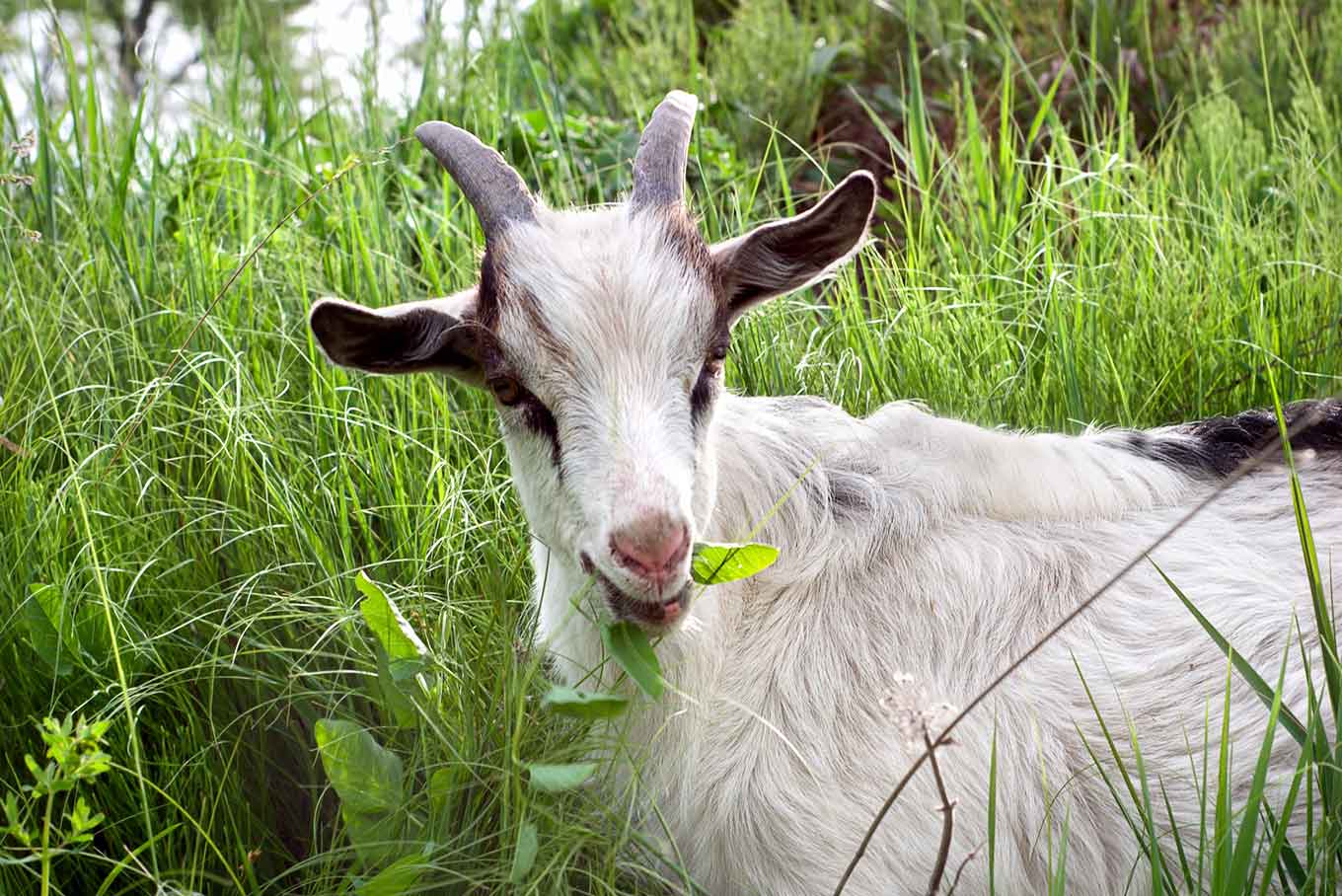
Barber's pole worm greatly affects sheep, goats and camelids (such as alpacas)
Symptoms
Because barber’s pole worm is a blood-feeder, almost every sign traces back to anaemia (loss of red blood cells). The classic warning signs are:
- Pale gums and inner eyelids — the membranes turnfrom healthy pink to pale pink or white as anaemia sets in.
- Weakness and lethargy — affected animals tireeasily and may lie down or “flop” when mustered.
- Bottle jaw — a soft, fluid swelling under thejaw, caused by low blood protein.
- Loss of condition and poor growth — reducedweight gain in lambs and kids, and lower milk in lactating animals.
- Sudden death — in acute outbreaks, animals candie rapidly, sometimes before other signs are noticed.
Importantly, barber’s pole worm usually does not cause scouring. If you are watching only for dirty back-ends, you may miss it. Note too that good, well-grown animals — including big, fat ewes — can be affected, not just the obviously weak ones.
Who is most at risk?
Weaned lambs and kids, and ewes and does around lambing or kidding, are the most vulnerable, especially when nutrition is poor or animals are under stress. During the worm’s active season, any time you have hands on an animal is a chance to check the colour of its inner eyelid.
If you suspect haemonchosis: Seek veterinary advice promptly. Anaemia can progress quickly, and confirming the worm with an eyelid (FAMACHA) check and a faecal egg count helps you treat the right animals at the right time. See Treatment & Resistance for monitoring tools.
Lifecycle summary
Barber’s pole worm has a fast, simple lifecycle — around three weeks generation time in good conditions — which is part of what makes it so dangerous. It can build up on pasture very quickly when the weather suits it.
- Adults live and breed in the animal’s stomach. Females are prolific, laying thousands of eggs a day.
- Eggs pass out in the dung onto the pasture.
- Larvae hatch in the dung and develop throughthree stages. The third stage (L3) is the infective one.
- Infective larvae migrate out of the dung ontothe grass in a film of moisture, where they are eaten by grazing animals.
- Inside the animal, the larvae mature into adultsin the stomach, and the cycle begins again.
A key point for control: at any moment, roughly 90% of the worm population is on the pasture as eggs and larvae, and only about 10% is inside the animal. That balance explains why managing the pasture is as important as treating the stock.
For the detailed biology — egg, larval stages, contamination, seasons and survival — see the Lifecycle (detail page).
Treatment & prevention summary
There is no single fix for barber’s pole worm. Sustainable control rests on three pillars that work together.

Treat the worms in the animal
Anthelmintics (“drenches”) kill the worms inside the animal and are essential for treating clinical cases. But they only work if they are still effective on your property — drench resistance in barber’s pole worm is now common in many regions. Knowing which drenches work for you, and using them correctly, is critical.

Reduce the larvae on the pasture
Because most of the worm burden is on the ground, lowering pasture infectivity has a large payoff. Grazing management (rest and rotation, cross-grazing with other species) lets larvae die off, while biological control removes larvae directly from the manure before they reach the pasture.

Monitor, so you act at the right time
Faecal egg counts and FAMACHA eyelid scoring tell you what is actually happening, so you can treat the animals that need it — rather than drenching to a calendar. Monitoring also protects the working life of your drenches.
See the detail pages on Treatment & Resistance and Prevention & Pasture Management for the full picture.
Frequently asked questions
Short answers to the questions producers ask most.
For the detail behind each one, follow the links to the relevant pages.
What are the symptoms of barber’s pole worm?
The signs come from blood loss:pale gums and inner eyelids, weakness and lethargy, a soft “bottle jaw”swelling under the jaw, poor growth or condition, and — in severe cases —sudden death. Unlike most worms, it usually does not cause scouring, so checking eyelid colour is the most reliable early check.
Can sheep survive barber’s pole worm?
Yes — light infections are often tolerated, and animals treated early usually recover well. The danger is that heavy burdens cause anaemia so rapidly that animals can die with little warning. Survival comes down to the size of the burden, the animal’s nutrition and immunity, and how early the problem is caught.
What causes barber’s pole worm?
Animals pick it up by eating infective larvae while grazing contaminated pasture — it is not caused by anything the animal does wrong. Warm, moist conditions let the larvae develop quickly in the dung and move onto the grass, which is why outbreaks follow warm, wet weather.
Do barber’s pole worms live in the ground?
The adult, blood-feeding worms live in the animal’s stomach. The egg and larval stages develop in the dung and in the thin film of moisture on the soil surface and grass — not deep in the soil. Infective larvae climb a few centimetres up the grass blades in moisture,where they are eaten.
How long do barber’s pole worms live?
Adult worms live for a few months inside the animal. On pasture, the infective larvae can survive from a few weeks to several months depending on the weather — pastures are often much cleaner by around 90 days, though larvae can persist longer in mild, moist conditions. Larvae can also “pause” their development inside the animal overwinter or dry spells (a state called hypobiosis) and emerge later.
What kills barber’s pole worms on the ground?
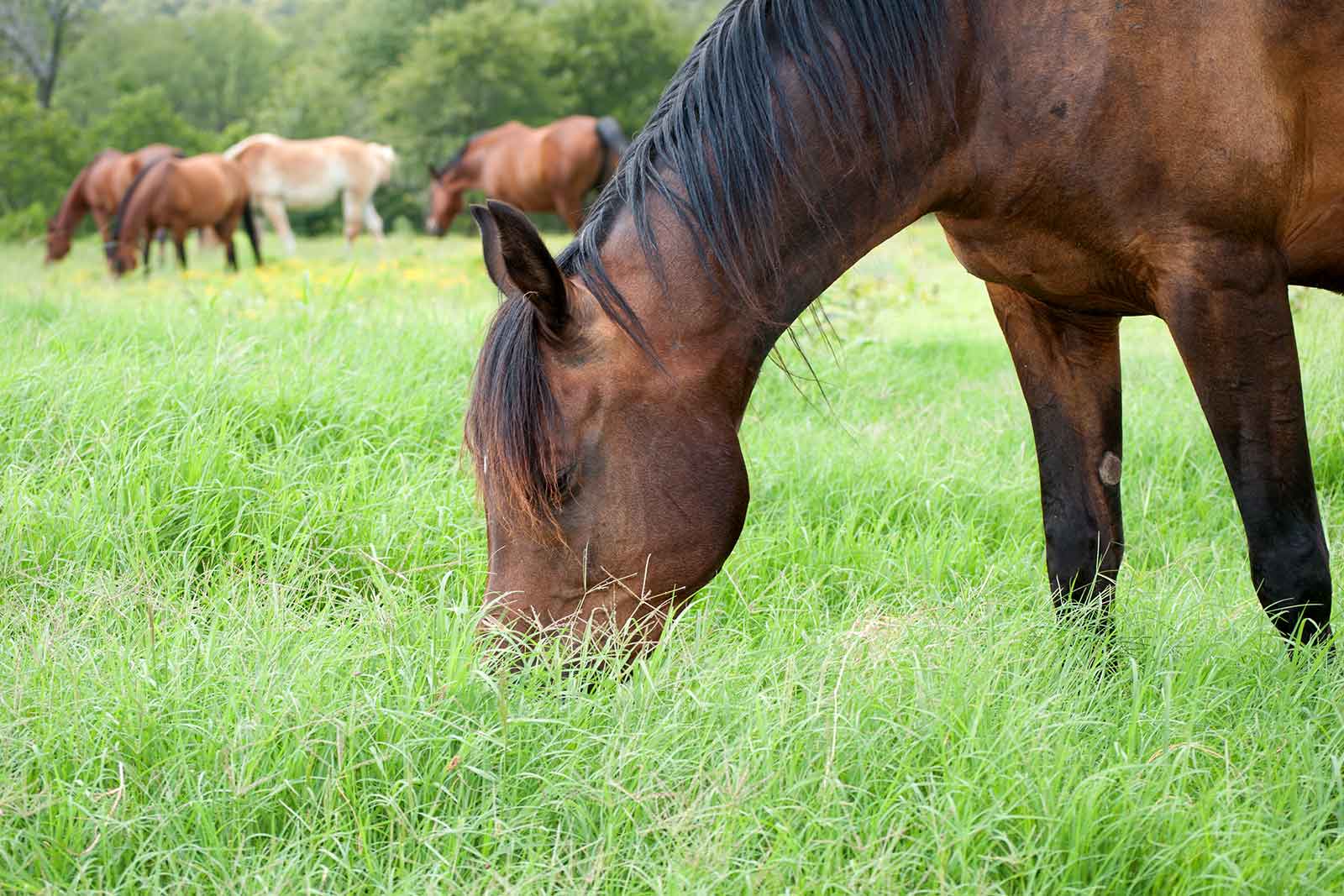
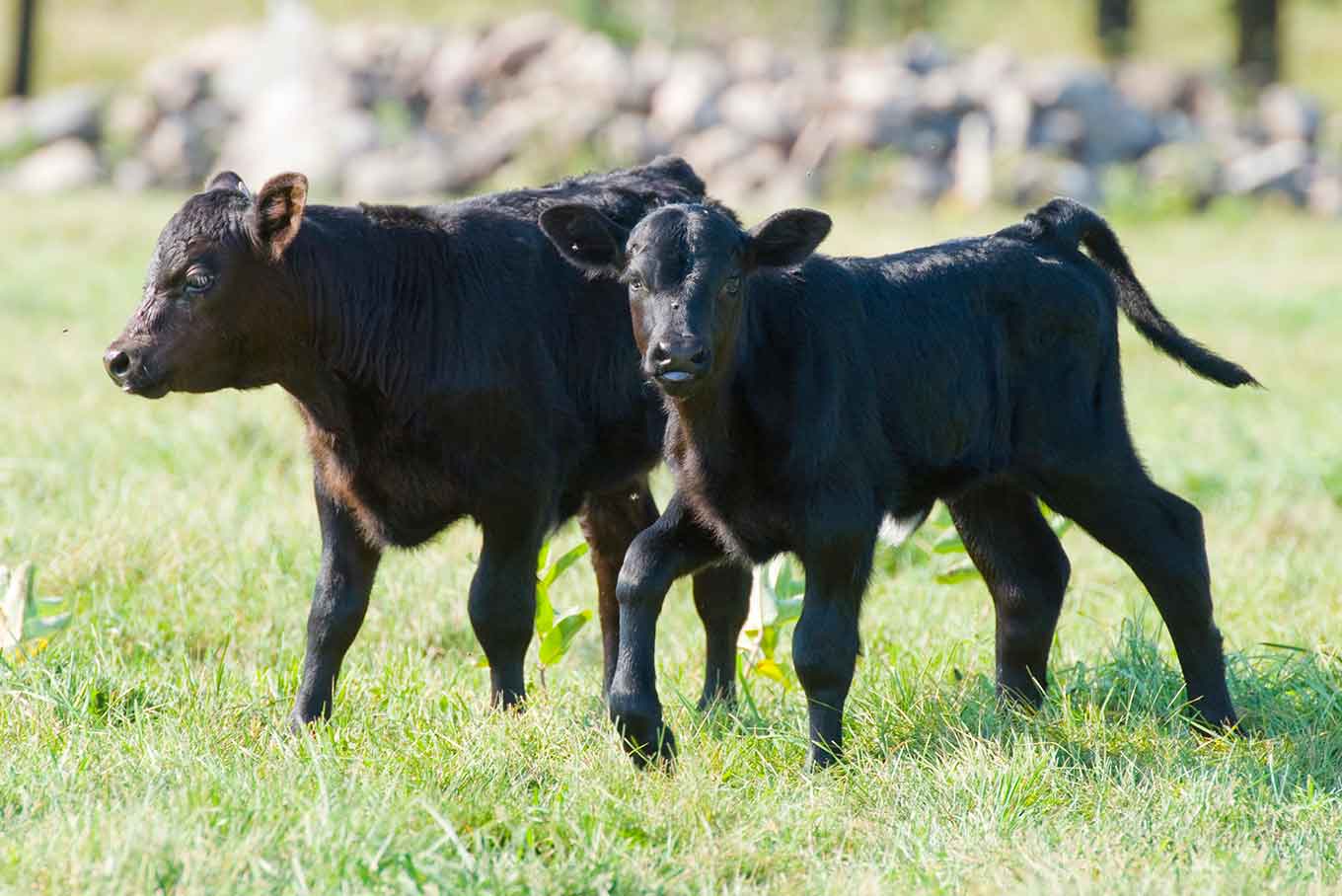
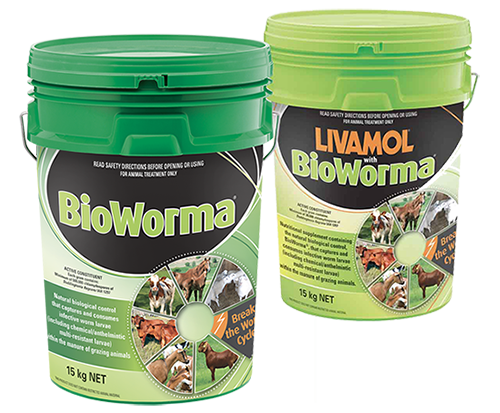
Time and weather do a lot of the work — heat, drying and cold all kill larvae — which is why resting and rotating pasture helps. Grazing a paddock with cattle or horses also helps,because sheep and goat worms can’t complete their lifecycle in them. And biological control with the fungus Duddingtonia flagrans (the active in BioWorma) traps and consumes larvae in the dung before they reach the pasture,including drench-resistant larvae. Note that drenches act inside the animal— they do nothing to larvae already on the ground.
Does ivermectin treat barber’s pole worm?
It can, but it often doesn’t anymore. Ivermectin belongs to the macrocyclic lactone (“mectin”) group, and resistance to this group in barber’s pole worm is now common across many Australian properties. The only way to know if it still works on your place is a faecal egg count reduction test. Don’t rely on a single drench group — use products that are proven effective for your property, often as combinations.
Why doesn't drenching stop barber's pole worm coming back?
Drenches kill worms inside the animal, but they do not affect the eggs and larvae already on the pasture. If pasture contamination remains high, animals can become reinfected soon after treatment.
What animals can get barber's pole worm?
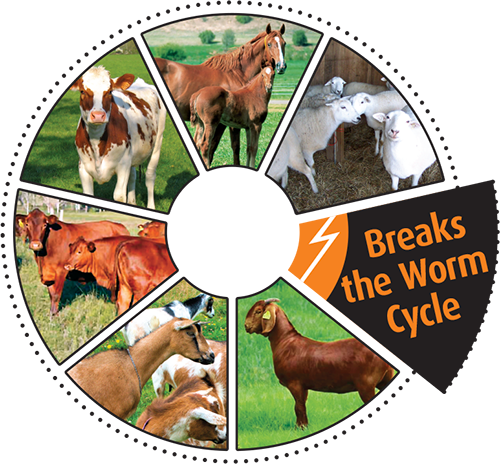
Sheep and goats are the main hosts, and where the worm causes its most serious disease — goats especially, because they develop weaker immunity to it. It also affects other grazing animals, including alpacas and llamas, and can infect deer and cattle (though cattle have their own closely related species, Haemonchus placei). In short, any grazing animal that picks up the infective larvae from contaminated pasture can be at risk, but sheep and goats are by far the most affected.
How many barber's pole worms does it take to make an animal sick?
Fewer than you might expect. Each worm draws only a tiny amount of blood — around 0.05 mL a day — but the numbers add up fast, and as few as 500 worms can be enough to cause disease in a young or vulnerable animal. A burden of several thousand worms can cause severe anaemia, with a single sheep losing hundreds of millilitres of blood a day. How sick an animal gets depends not only on worm numbers but on its age, nutrition and immunity,and on how quickly the burden builds — a fast-rising burden can cause sudden,severe illness, which is why even moderate numbers are worth acting on.
Why is barber's pole worm becoming more common?
Three reasons, and they reinforce one another. Climate adaptation: warmer, wetter, less predictable seasons give the worm more of the warmth and moisture it needs to build up on pasture. Expansion into cooler regions: it has adapted to develop at lower temperatures, and can pause its development inside the animal to ride out a cold or dry spell — so producers in traditionally cooler areas are now seeing it. Drench resistance: as the worm survives more treatments, burdens that were once knocked down now persist, keep breeding and keep seeding pasture. Together, these have turned it from a seasonal, regional problem into a year-round risk over a much wider area.
Why is barber's pole worm such a serious parasite?
Because it feeds on blood, and it does so in huge numbers.Most gut worms cause scouring and slow loss of condition; barber's pole worm causes anaemia, and a heavy burden can kill an animal quickly — sometimes before the producer notices anything is wrong, and even in animals that look well-grown and healthy. It's made worse by how fast it builds up: a single female lays thousands of eggs a day, so burdens can climb explosively when the weather suits it. Add its spread into new regions and growing drench resistance,and you have a parasite that is dangerous, fast-moving and increasingly hard to treat — which is why it's regarded as the most damaging worm of sheep and goats in much of the world.