
Enter your email to get
our latest news
About BioWorma®
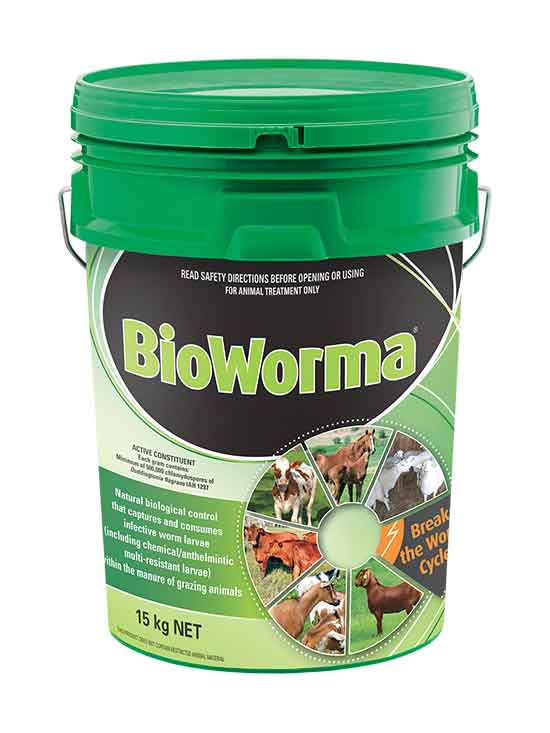
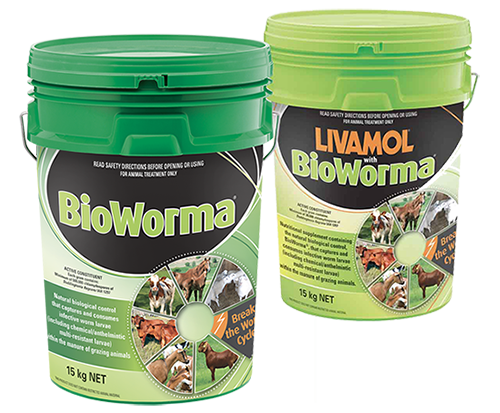
BioWorma® is a natural biological control that captures and consumes infective worm larvae (including chemical resistant/anthelmintic multi-resistant larvae) within the manure of grazing animals.
BioWorma® and Livamol with BioWorma® is available from
leading stockists throughout Australia and New Zealand and is now available in the US (Europe soon subject to final approvals) - stay tuned!
DOWNLOADS:
• Datasheet (AUS/NZ)
• SAFETY DATASHEET (SDS)
BioWorma®
BioWorma® is a feed supplement containing the spores of a naturally occurring fungus, Duddingtonia flagrans.
When fed to grazing animals, it reduces the number of infective worm larvae that develop in their manure and migrate onto the pasture — lowering the reinfection that keeps worm burdens high. It represents a genuinely new category: the world’s first commercial product for the true biological control of gastrointestinal worms in grazing livestock.
What BioWorma® is not
This is the most important thing to understand. BioWorma® is not a drench. It does not kill the worms already living inside an animal, and it is not a substitute for deworming a sick or heavily-infected animal. Its job is different and complementary: it tackles the larvae on the pasture — the roughly 90% of the worm population that lives outside the animal at any one time — so animals pick up fewer worms in the first place.
Two products, one active
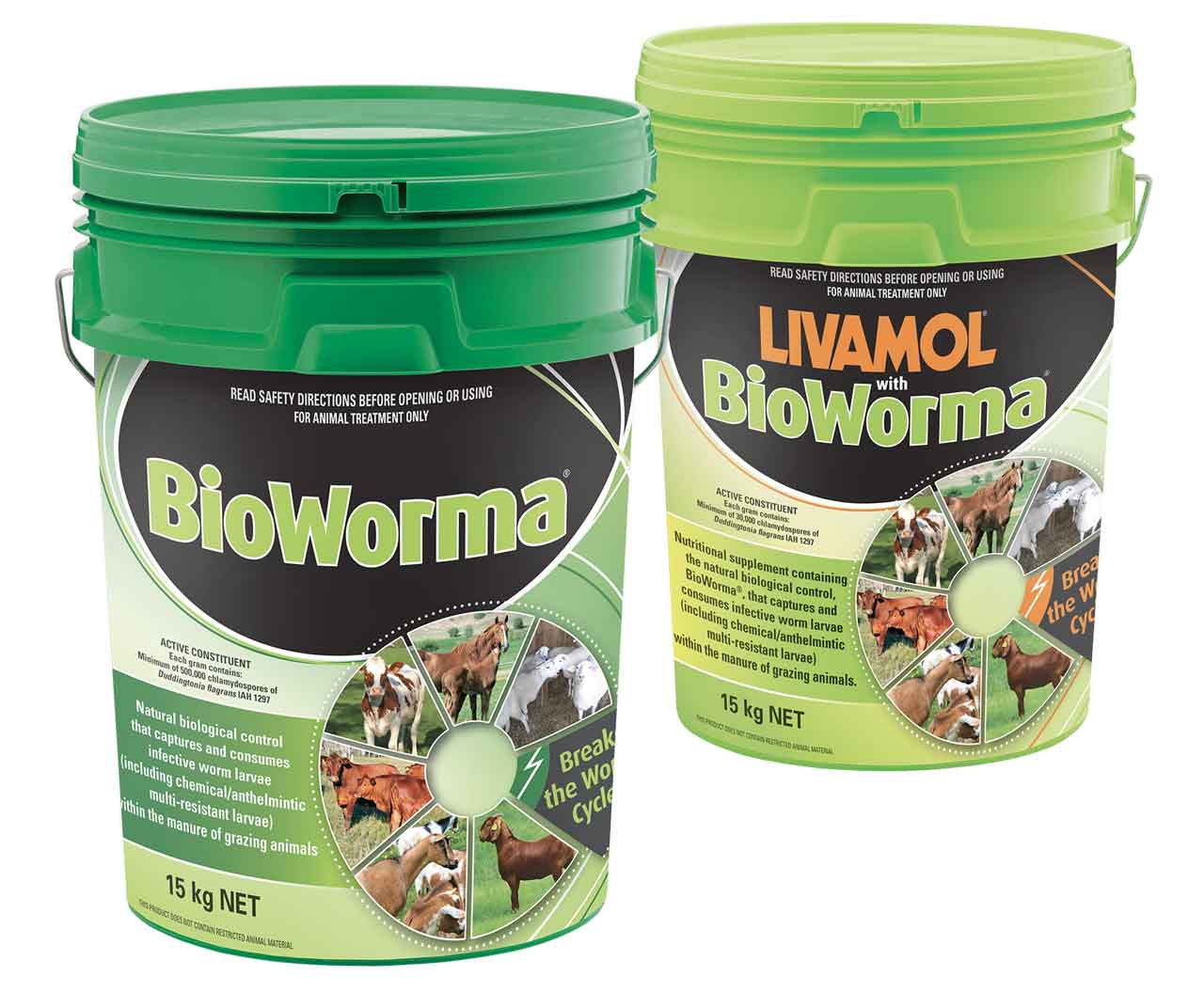
- BioWorma® — a concentrated feed additive that you mix into feed, supplements, premixes or loose mixes.
- Livamol with BioWorma® — a ready-to-use nutritional (protein) supplement with the same active built in, which can be top-dressed straight over feed.
Who it’s for?
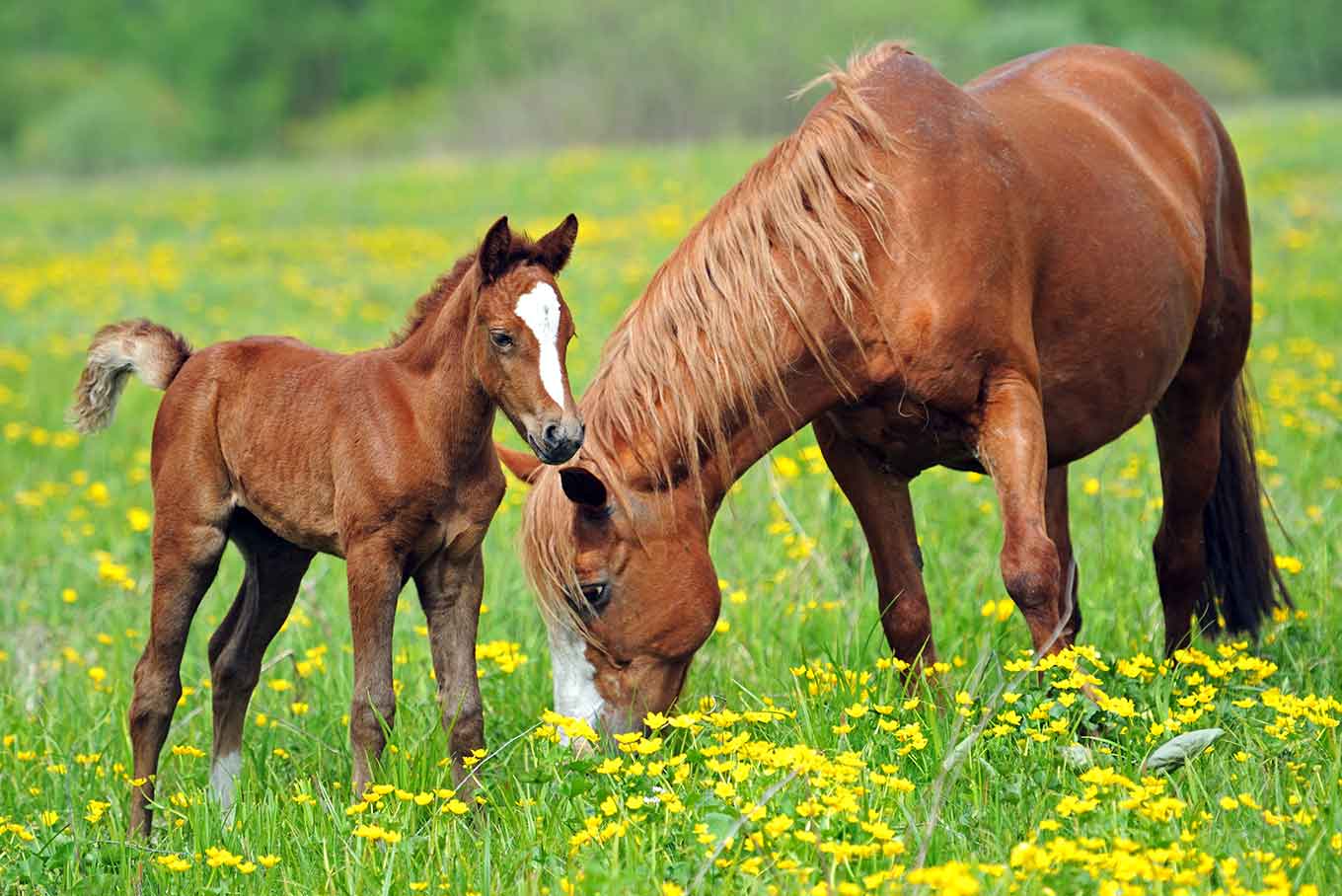
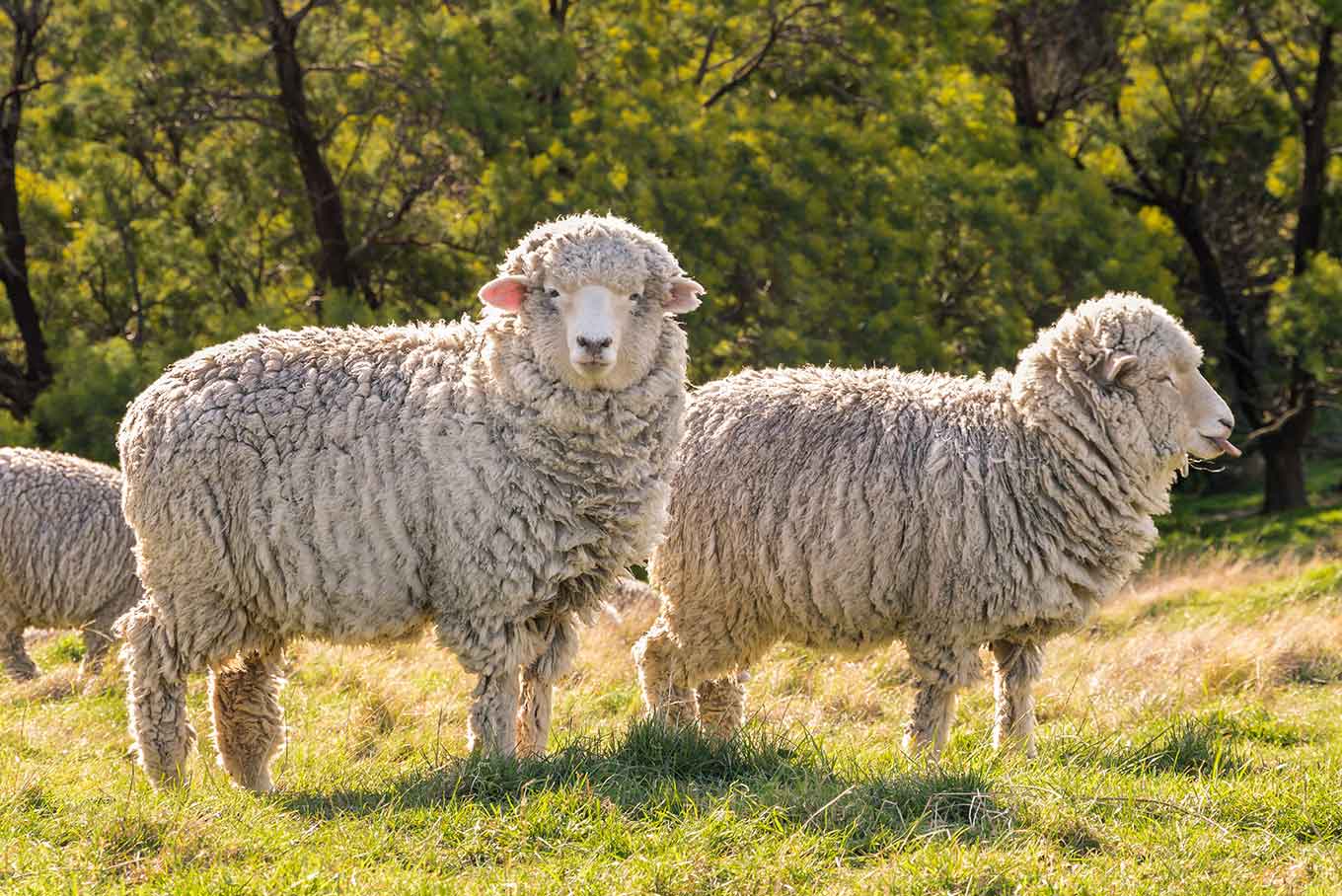
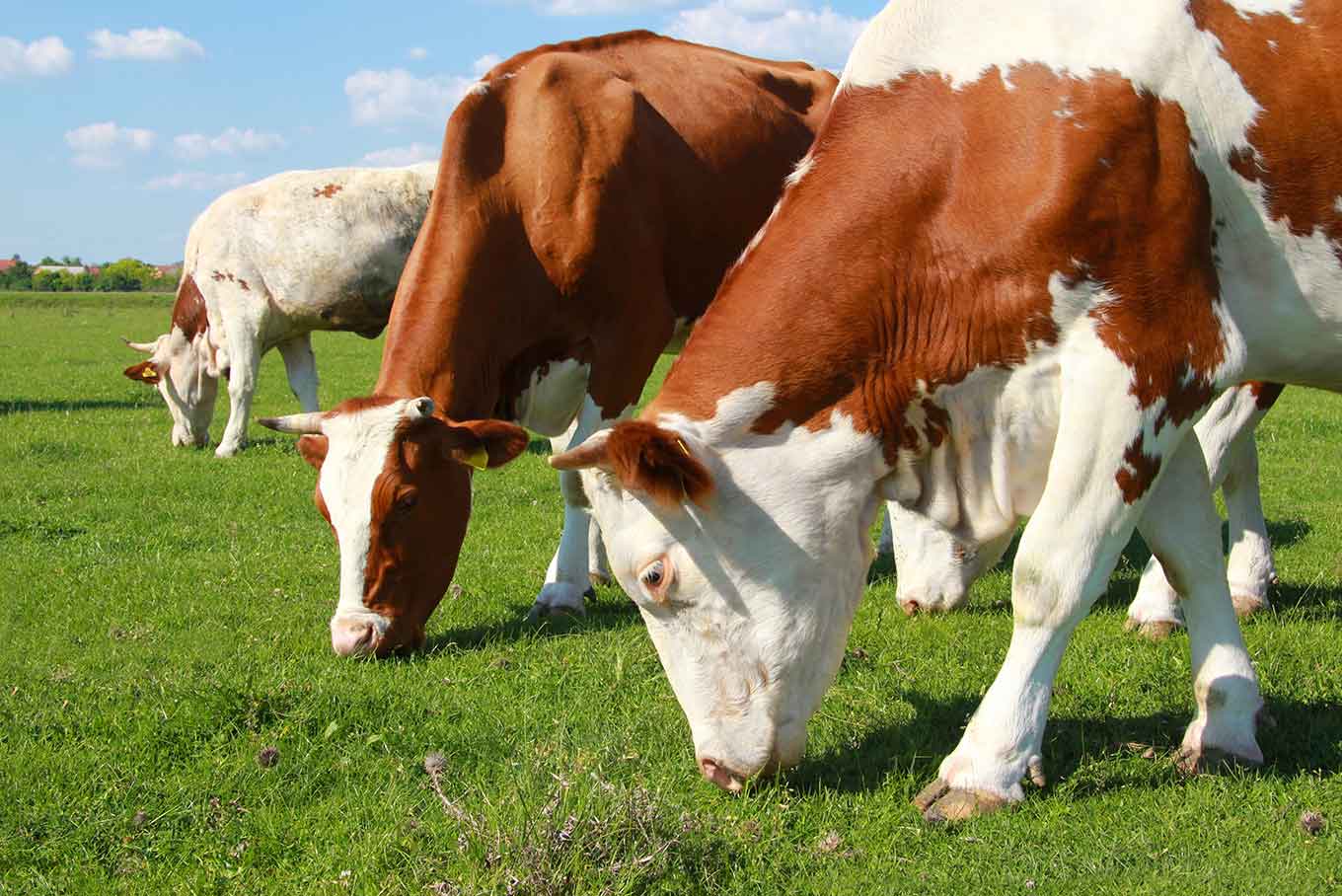
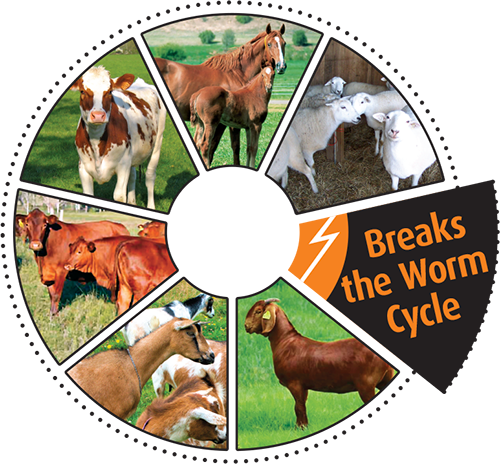
BioWorma® can be fed to cattle, sheep, goats and horses, as well as other grazing animals such as deer and alpacas. Because it acts physically rather than chemically, it works against worm larvae regardless of whether they are resistant to drenches.
Natural and low-residue
The fungus occurs naturally in pasture soils around the world. BioWorma® is residue-free, has no meat or milk withholding in the markets where it is registered, and has no harmful effect on dung beetles, earthworms, soil nematodes or other beneficial soil life. It is also recognised as an allowable input under Australian organic certification.
Australian Certified Organic
BioWorma® is an all-natural product. Its active is a fungus, Duddingtonia flagrans, that occurs naturally around the world — so rather than introducing a chemical, BioWorma simply puts nature's own worm-trapping organism to work in the manure. It contains no chemicals, leaves no residues, and does no harm to dung beetles, earthworms or the soil life that keeps pasture healthy.

That natural credentials are formally recognised: BioWorma® is Australian Certified Organic — Certified Allowed Input No. 12889
How BioWorma® Works
BioWorma works in the manure, not in the animal.
- You feed it daily. The tough spores (chlamydospores) of Duddingtonia flagrans are mixed through feed or fed as Livamol with BioWorma.
- The spores pass through unharmed. They are inert inside the animal — having no effect on the host — and pass out in the dung.
- They germinate in the dung pat. As the worm eggs in the manure hatch and develop into larvae, the fungus springs into action,growing a microscopic net of sticky threads (hyphae).
- They trap and consume the larvae. The net snares the developing worm larvae, the threads penetrate them, and the fungus consumes them — inside the manure, before they can migrate onto the surrounding pasture.
- Fewer larvae reach the pasture. With far fewer infective larvae emerging onto the grass, animals grazing that pasture pick up fewer worms — reducing reinfection over time.
Because it works mechanically, BioWorma® is effective against worm larvae of any kind — including those resistant to one or more classes of chemical drench. And because it removes larvae without applying any chemical to the worms, it puts no selection pressure on them, so it doesn’t drive resistance.
A few practical points
- It is best used strategically, during the periods when conditions favour larval development — broadly, when temperatures are above about 5°C.
- It does not establish on your property: once the fungus has consumed the larvae in a dung pat it dies off, which is why it needs to be fed continuously through the risk period.
- It only affects worms whose larvae develop in the dung, so it does not control parasites such as lungworm, which aren’t picked up that way.
For a closer look at exactly where this fits into the worm’s lifecycle, see Lifecycle Interruption Explained.
Lifecycle Interruption Explained
To see why biological control is so useful, it helps to picture the worm lifecycle and ask a simple question: where can you break it?
The cycle in brief
- Adult worms in the animal’s gut lay eggs.
- The eggs pass out in the dung onto the pasture.
- In the dung, the eggs hatch and develop through larval stages to the infective stage.
- The infective larvae migrate out onto the grass.
- Grazing animals eat the larvae, which mature into adults — and the cycle repeats.
Where each tool breaks it
Different tools interrupt different points of this cycle, which is exactly why they work best together:
- Drenches break the cycle inside the animal, by killing the adult (and some immature) worms. But they have no effect on the eggs and larvae already on the pasture.
- Rest and rotation break it on the pasture,by denying larvae a host long enough for many to die — but this takes weeks and costs grazing flexibility.
- BioWorma® breaks it in the dung, by consuming the larvae as they develop — before they ever reach the pasture.
Why interrupting the dung stage matters so much
At any one time, only around 10%of the worm population is inside your animals; the other 90% is out on the pasture as eggs and larvae. Drenches act on that 10%. BioWorma® is aimed at the 90% — stopping larvae at the dung-pat stage, the bottleneck every new generation has to pass through. Close that bottleneck day after day and pasture infectivity falls, so animals are re-infected far more slowly.
The two approaches are complementary, not competing. A drench clears the worms an animal already carries; BioWorma® reduces how quickly that animal is re-infected from the ground. Used together — with monitoring and good grazing — they keep worm pressure low while protecting the working life of the drenches you have.
The two approaches are complementary, not competing. A drench clears the worms an animal already carries; BioWorma® reduces how quickly that animal is re-infected from the ground. Used together — with monitoring and good grazing — they keep worm pressure low while protecting the working life of the drenches you have.
Research & Trials
BioWorma® is the product of decades of research. The underlying biology — using a nematode-trapping fungus to control worm larvae — was investigated and developed over many years, in collaboration with Australia’s national science agency, CSIRO, which first identified the Duddingtonia flagrans strain used in the product.
Since then it has been tested in peer-reviewed field trials across multiple grazing species and climates, and assessed by regulators in markets including the United States and Europe. This section brings that evidence together in two parts:
Since then it has been tested in peer-reviewed field trials across multiple grazing species and climates, and assessed by regulators in markets including the United States and Europe. This section brings that evidence together in two parts:
- Peer-Reviewed Studies — the published scientific literature.
- Field Trial Data — the on-pasture results from trials in sheep, cattle, goats and horses.
Peer-Reviewed Studies
The science behind BioWorma® has been published in independent, peer-reviewed journals — covering how the fungus works, how effective it is at reducing pasture larvae across species, and its safety for animals and the environment. The studies linked here cover efficacy in sheep, cattle, goats and horses, the mode of action of Duddingtonia flagrans, and independent safety and toxicology assessments.
VIEW ALL STUDIES
Field Trial Data
Field trials measure what matters most in practice: how much BioWorma® reduces the worm larvae that actually reach the pasture. Trials have been run across different species, seasons and climates, and consistently show large reductions in pasture larvae — including larvae resistant to chemical drenches.
Headline results
Across the trial program, the average reductions in worm larvae on pasture reported for each species were approximately:
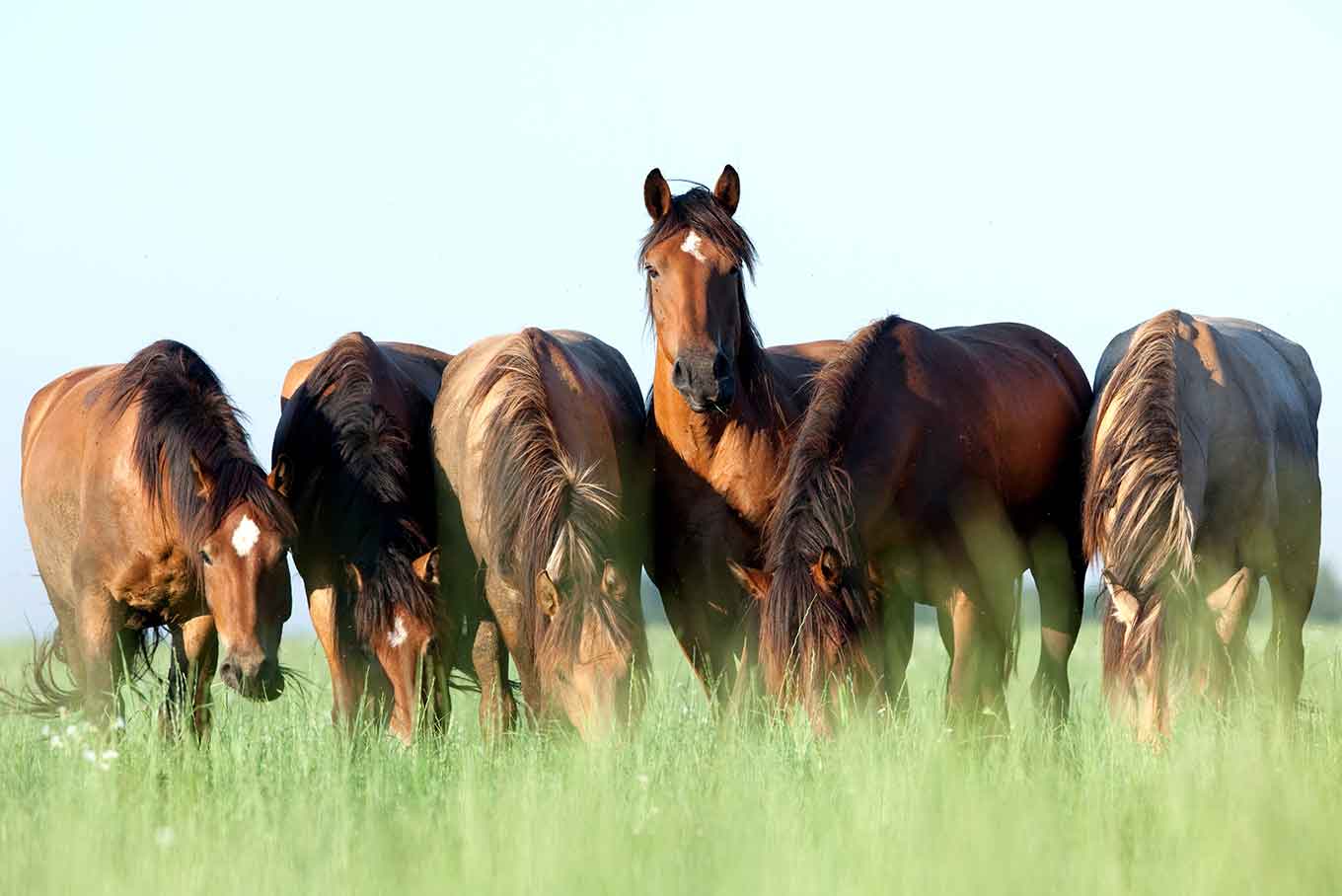
- Horses — around 84%
- Goats — around 86%
- Cattle — around 81%
- Sheep — around 68%
Individual trials recorded reductions ranging from roughly 53% up to 99%, depending on species, season and conditions.

Usage Guidelines
BioWorma® is simple to use, but it rewards being used correctly. Two principles sit behind everything on the sections that follow: feed it daily through the risk period, and use it alongside your drenching rather than instead of it.
When to use it
BioWorma® is best used strategically, during the periods when conditions favour worm larvae developing and moving onto pasture — broadly, when temperatures are above about 5°C. That often means the warmer, wetter parts of the year, and the high-risk windows for your stock (for example around weaning, or when young and vulnerable animals are grazing).
Choosing a product
- BioWorma (concentrate) suits operations already mixing rations, premixes or loose mixes — you add it to the feed.
- Livamol with BioWorma (ready-to-use) suits situations where you want a simple, palatable supplement to top-dress — popular with horse owners and smaller mobs.
The essentials
Feed every day, scaled to bodyweight, and make sure all animals in a group get even access so each contributes treated dung. Remember it does not kill worms inside the animal and does not establish on your farm — so it complements drenching and needs continuous feeding through the risk period.
For the detail, see Feeding Instructions and Integration with Drench Programs.
For the detail, see Feeding Instructions and Integration with Drench Programs.
Feeding Instructions
BioWorma® is fed daily and dosed according to bodyweight. The two products are fed at different rates because Livamol with BioWorma® is a ready-to-use supplement, while BioWorma® is a concentrate.
Daily feeding rates
As a guide (always confirm against the current label or datasheet for your country and species):
- BioWorma (concentrate) — approximately 6 g per 100 kg of bodyweight per day (about 0.1 oz per 100 lb).
- Livamol with BioWorma (ready-to-use) — approximately 100 g per 100 kg of bodyweight per day (about 1.6 oz per100 lb).
How to feed it
- Work out the daily amount for the animal or mob based on bodyweight.
- For BioWorma, mix it thoroughly through the feed, supplement, premix or loose mix. Livamol with BioWorma can be fed straight, top-dressed over feed.
- In group feeding, ensure all animals get even access, so every animal’s dung carries the fungus.
- Feed every day through the risk period — the fungus does not persist, so consistency is what keeps pasture larvae down.
- Use strategically, when conditions favour larval development (temperatures above about 5°C).
Good to know
- It is safe to feed to pregnant animals.
- It is residue-free with no withholding in the markets where it is registered
(confirm locally). - It can be fed to cattle, sheep, goats, horses and other grazers such as deer and alpacas — the rate scales with bodyweight.
Always confirm: Feeding rates, withholding periods and approved species can differ by country and product pack — follow the current label/datasheet for your market. Store as directed to protect spore viability.
Integration with Drench Programs
BioWorma® is designed to work with your drench program, not instead of it. Drenches clear the worms an animal already carries; BioWorma® reduces how quickly that animal is re-infected from the pasture. Together they do what neither does alone.
The recommended approach
- Treat first. Drench the animals with a wormer proven effective on your property, to clear their existing burden.
- Move to low-worm pasture where possible. Ideally onto pasture that hasn’t been grazed by the same species for several weeks, so the animals start with a low worm status.
- Begin daily BioWorma. Start feeding BioWorma® to keep the new pasture’s larval levels low and maintain that low worm status.
- Keep it up through the risk period. Continue daily feeding while conditions favour larval development.
How it helps with resistance
Drench resistance is now widespread, and BioWorma® helps on two fronts. First, because it acts physically, it removes worm larvae regardless of whether they are drench-resistant — so it reduces the resistant larvae building up on pasture, which chemicals increasingly fail to do. Second, because it applies no chemical to the worms, it adds no selection pressure for resistance, and it leaves the susceptible worms in refugia intact. The result is lower pasture infectivity and a longer working life for the drenches you still rely on.
Part of a whole program
BioWorma® sits naturally alongside the rest of good worm control: monitoring with faecal egg counts and FAMACHA, grazing management, sound nutrition and worm-resistant genetics. It is one more tool — the one aimed at the larvae on the ground — in an integrated approach.
BioWorma® FAQs
Short answers to the questions producers ask most.
For the detail behind each one, follow the links to the relevant pages.
For the detail behind each one, follow the links to the relevant pages.
Is BioWorma a drench or wormer?
No. BioWorma is a biological control that reduces worm larvae on pasture; it does not kill the worms inside an animal. It works alongside drenching, not instead of it — you still treat sick or heavily-infected animals with an effective wormer.
Does BioWorma kill the worms inside my animals?
No. It acts in the dung, consuming larvae before they reach the pasture, which reduces reinfection over time. Worms already living in an animal need to be removed with a drench.
Does it work on drench-resistant worms?
Yes. Because the fungus traps and consumes larvae physically rather than chemically, it is effective against worm larvae regardless of whether they are resistant to one or more drench groups.
Is BioWorma safe — for my animals and the environment?
Yes. The spores are inert inside the animal and it is safe to feed to pregnant stock. It is residue-free (with no withholding in the markets where it is registered), and it has no harmful effect on dung beetles, earthworms, soil nematodes or other beneficial soil life.
Is it natural and organic?
The active is a fungus, Duddingtonia flagrans, that occurs naturally in pasture soils worldwide. BioWorma is recognised as an allowable input under Australian organic certification — confirm the status that applies in your market.
How long do I need to feed it, and will it establish on my farm?
It needs to be fed daily through the risk period. The fungus does not establish or spread — once it has consumed the larvae in a dung pat it dies off — so consistent daily feeding is what keeps pasture larvae down.
Which animals can I feed it to?
Cattle, sheep, goats and horses, as well as other grazing animals such as deer and alpacas. The daily rate is scaled to bodyweight.
Which worms does it control — and which does it not?
It controls the larvae of the common gastrointestinal roundworms that develop in the dung — such as barber’s pole, black scour, brown stomach and nodule worms in ruminants, and the strongyles, ascarids and others in horses. It does not control parasites whose larvae aren’t picked up from the dung in the same way, such as lungworm, or stages encysted inside the animal.
When should I use BioWorma?
Strategically, during periods when conditions favour worm larvae developing and moving onto pasture — broadly when temperatures are above about 5°C — and around your high-risk windows, such as when young, vulnerable animals are grazing.
What’s the difference between BioWorma and Livamol with BioWorma?
Both contain the same active fungus. BioWorma is a concentrated additive you mix into feed; Livamol with BioWorma is a ready-to-use protein supplement with the active already included, which can be top-dressed straight over feed.
Where is BioWorma available?
It is available in Australia, New Zealand and the USA, with European approval pending. Availability and registration details vary by country.
Usage & Efficacy
DOWNLOADS:
• Datasheet (AUS/NZ)
• SAFETY DATASHEET (SDS)
DIRECTIONS FOR USE
Dosage and Administration: Dose BioWorma® according to bodyweight.
- For best results, treat animals with a suitable chemical wormer/anthelmintic.
- Ideally, where possible, move the treated animals onto low worm pasture (that is, pasture that has not been grazed by the same animal species for a minimum 6 weeks).
- The most worm susceptible are young animals (from 3 months up to 18-24 months of age) and periparturient females (last month of pregnancy and while producing milk) as they are the most likely to have less resistance to worm infestation due to low immunity. Pasture contamination by adult stock, even with low faecal egg counts (FEC), should not be underestimated considering the volume of faecal material they place on pasture.
- Commence daily feeding of BioWorma® to minimise pasture infectivity and maintain the animal’s low worm status. The product will not reduce pre-existing larval pasture contamination. Thoroughly mix BioWorma® with feed or feed supplements.
- BioWorma® will begin to work immediately within the manure of treated animals, and for best results may be fed continuously when climatic conditions are conducive to BioWorma® and parasitic nematode activity.
- BioWorma® is recommended for strategic use during periods when weather conditions are conducive to larval development and transmission onto pasture at temperatures above 5° Celsius (40° Fahrenheit).
- Use in conjunction with a recommended worm management strategy for your area by contacting your Veterinarian, Animal Health Advisor or Government Advisory groups for a strategic Integrated Parasite Management (IPM) plan. It is important to consider the principles of refugia.
Visit: Wormboss for Australia OR Wormwise for New Zealand - Faecal egg counts (FECs) may be useful to monitor the effectiveness of the worm management strategy. Other options may include faecal egg count reduction test (FECRT) and/or identifying worm species by using faecal larval cultures (FLC).
For oral administration. The required amount of BioWorma® should be thoroughly mixed into feed, supplements, premixes, concentrates or loose mixes. See datasheet for daily feeding rates.
Duddingtonia flagrans reduces the number of gastrointestinal nematodes (GIN) larvae on pasture, which is significantly greater than a chemical wormer can do within the animal (overall averages below):
84% - HORSES | 81% - CATTLE | 86% - GOATS | 68% - SHEEP
Studies conducted by International Animal Health Products Pty Ltd

CSIRO - Collaboration partner of IAHP in the development of BioWorma® and Livamol® with BioWorma® and discoveror of D. Flagrans
Manufacturer and developer - IAHP - is now selling online. Registered resellers can follow the link above.
Read more about
LIVAMOL with BIOWORMA®
FREE FAECAL EGG KIT
Ask us for a FREE Worm testing kit with your purchase of Livamol with BioWorma®
ASK NOW
Related Content
Contact us
Please feel free to ask for more information, tailor a worming program, ask for technical support or provide feedback. We are here to help. Complete the enquiry form below or call AU +61 1800 801 201 or NZ +64 0800 424 999.

BreakS the worm Cycle
BioWorma®'s active ingredient (a naturally occurring biological agent) captures, paralyses and consumes
infective larvae on pasture - effectively breaking the worm cycle. FIND A STORE NEAR YOU
Call today on AU +61 1800 801 201 or NZ +64 0800 424 999.
ENQUIRE ABOUT BECOMING A RESELLER TODAY




Contact Us