- Benzimidazoles (BZ) — “white” drenches, such as albendazole, oxfendazole and fenbendazole.
- Levamisole (LEV) — “clear” drenches.
- Macrocyclic lactones (ML) — “mectins”, including ivermectin, abamectin and moxidectin.
- Amino-acetonitrile derivatives (AAD) — “orange” drench (monepantel).
- Spiroindoles (derquantel), usually sold combined with abamectin.
Rotational grazing
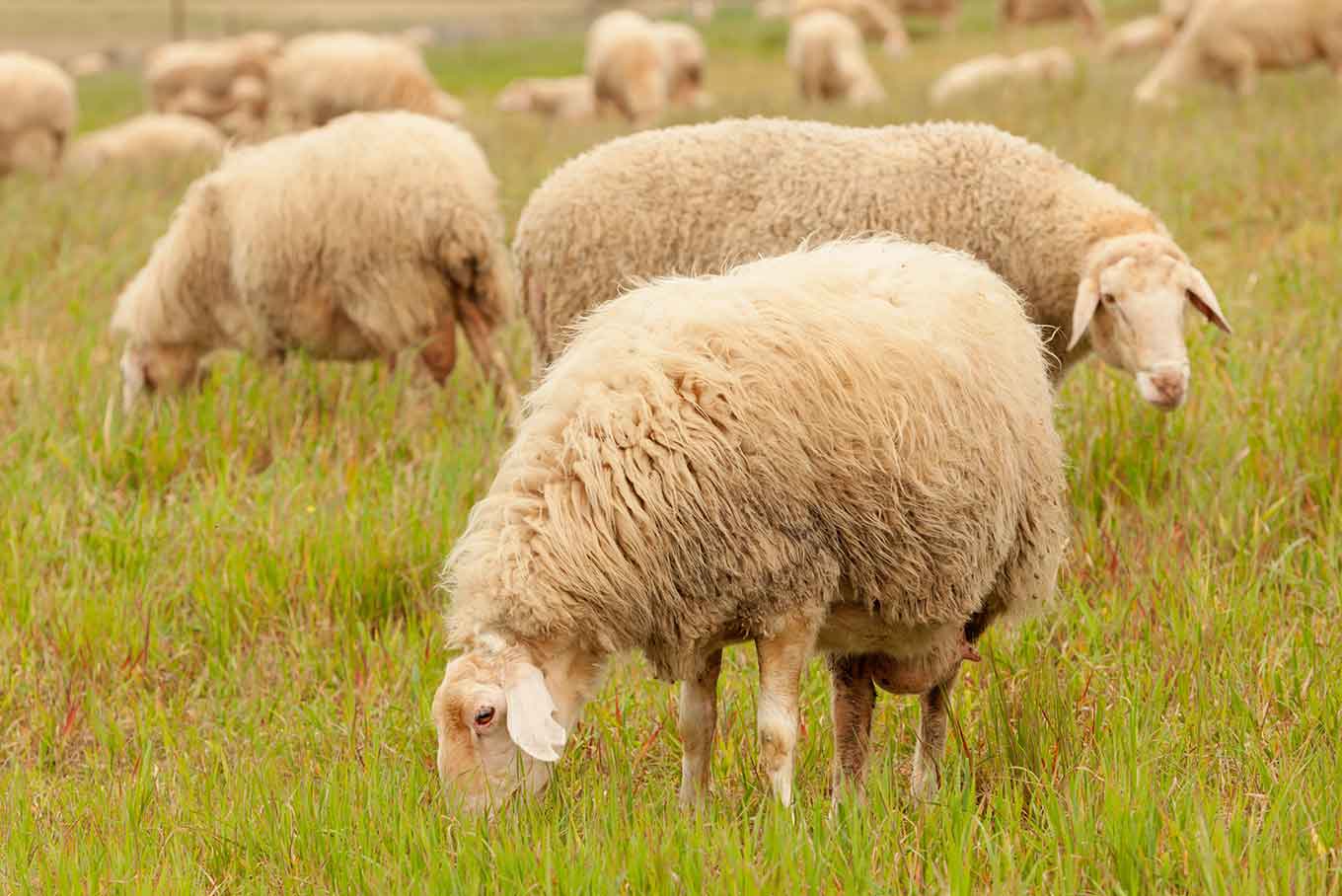
Rotational grazing turns worm control from a chemical response into pasture-based prevention. It rests on two periods of equal importance:
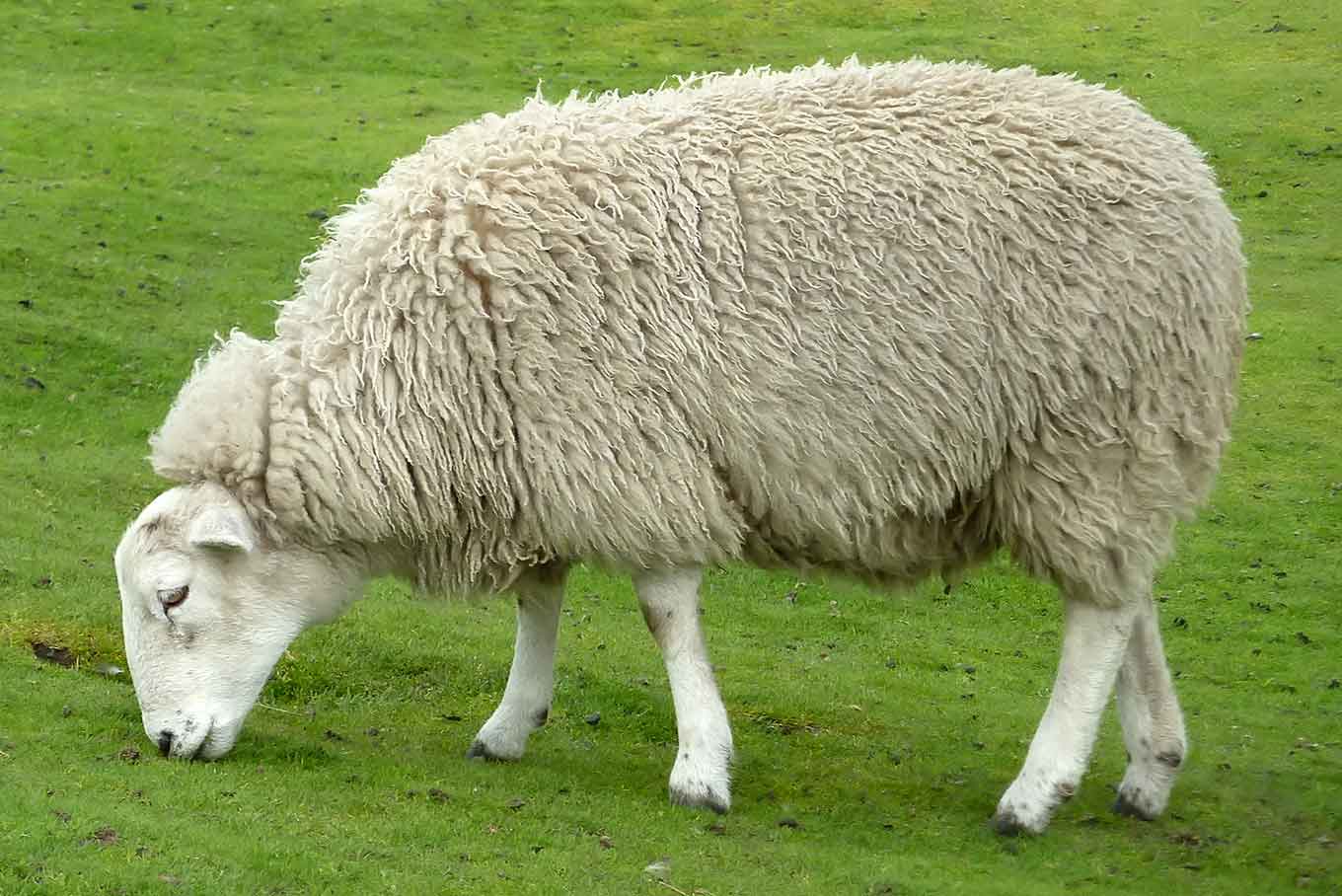
- A short graze period — move stock off before the eggs they’ve just dropped have time to hatch and become infective larvae (a window of roughly 4–10 days, shorter in warm weather). Short grazes also keep animals in the top of the sward, where larvae are fewest, instead of grazing down into the larvae-dense base.
- A long rest period — leave the paddock long enough for the larvae already on it to die off before stock return. Depending on temperature this is often in the order of 40–80 days or more; larvae die faster in warm conditions (shorter rest) and slower in cool ones (longer rest).
Grazing periods are always a balance between worm control and making good use of your feed, so they need to be matched to the season and pasture type.
Pasture contamination
The aim of prevention is to put your most vulnerable animals — weaners and lambing or kidding females — onto low worm-risk pasture. A paddock can be prepared by resting it, or by grazing it with a different species first, so that few barber’s pole larvae remain when the susceptible stock arrive.
Day to day, avoid forcing animals to graze right down into the base of the sward where larvae concentrate, and watch stocking pressure on warm, moist paddocks where contamination builds fastest. Because most of the worm population lives here on the ground, every reduction in pasture contamination reduces the worm pressure on your animals.
Biological control
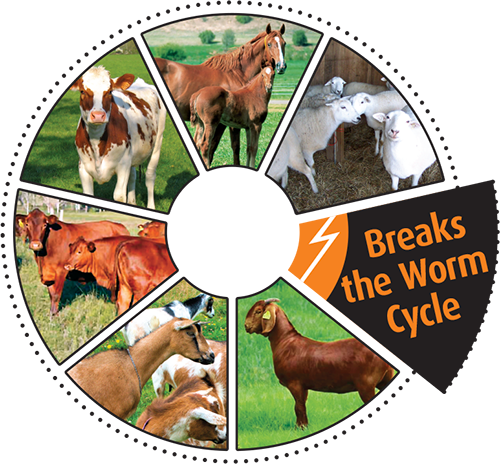
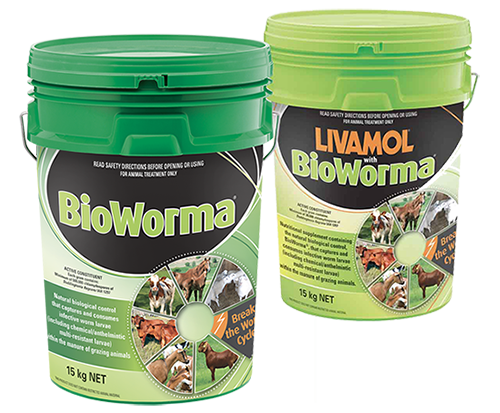
BioWorma is a biological control that reduces worm larvae on pasture using nature rather than chemistry. The active agent is Duddingtonia flagrans, a naturally occurring “nematode-trapping” (nematophagous) fungus — the name literally means “worm-eating”.
It is fed to grazing animals as a daily supplement. The tough fungal spores pass through the animal unharmed and end up in the dung. There, as the worm eggs hatch and larvae develop, the fungus grows a microscopic net of sticky threads that traps, paralyses and consumes the larvae — inside the manure, before they ever reach the pasture. BioWorma has no effect in the host as the spores are inert during passage with no anthelmintic effect on adult worms.
Field trials across different seasons and climates in Australia found it reduced the worm larvae on the pasture around the dung by between roughly 53% and 99%. Research has shown that even moderate reductions in pasture larval numbers can significantly reduce the impact of worms on grazing animals. CSIRO data suggests that a reduction of around 50% can deliver meaningful animal health benefits.
Its features make it a good fit for sustainable programs:
- It works on the larvae of a wide range of gut worms in cattle, sheep, goats, horses and other grazers — including drench-resistant larvae, because it acts physically, not chemically.
- It is host-specific to parasitic larvae and residue-free, with no harmful effect on dung beetles, earthworms, soil nematodes or other beneficial soil life.
- It is best used strategically, when conditions favour larval development (broadly when temperatures are above about 5°C), and it complements drenching and grazing rather than replacing them.
Made in Australia: The biological control in BioWorma and Livamol with BioWorma was developed and is manufactured by International Animal Health (IAH). It is used in Australia and internationally, and has been assessed and approved by regulators in markets including the United States and Europe.
Lifecycle interruption
Every prevention tool works by breaking the worm’s lifecycle at a different point — which is exactly why combining them is so effective:
- Drenches remove the adult worms inside the animal.
- Rest and rotation starve the larvae on pasture of a host until they die.
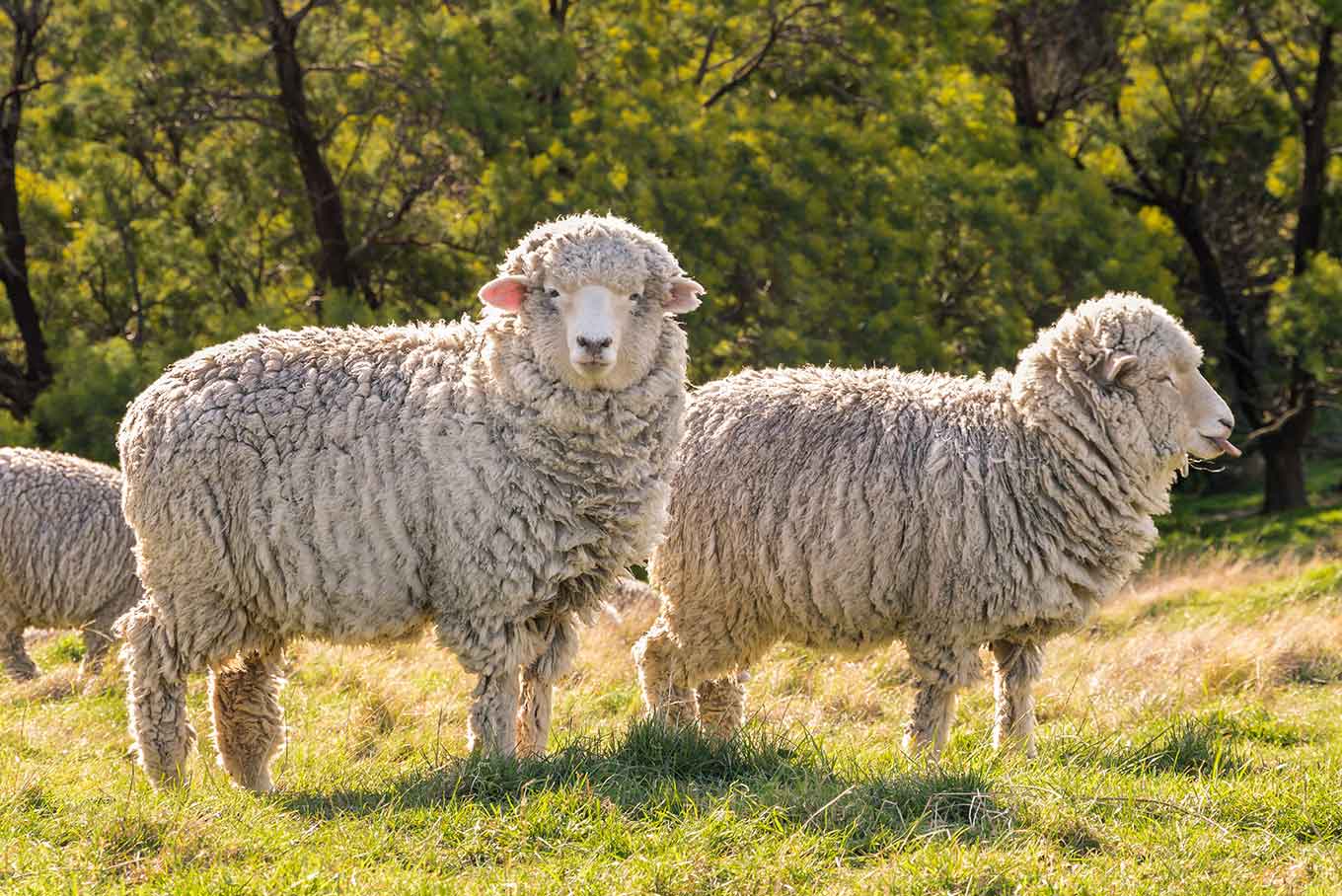
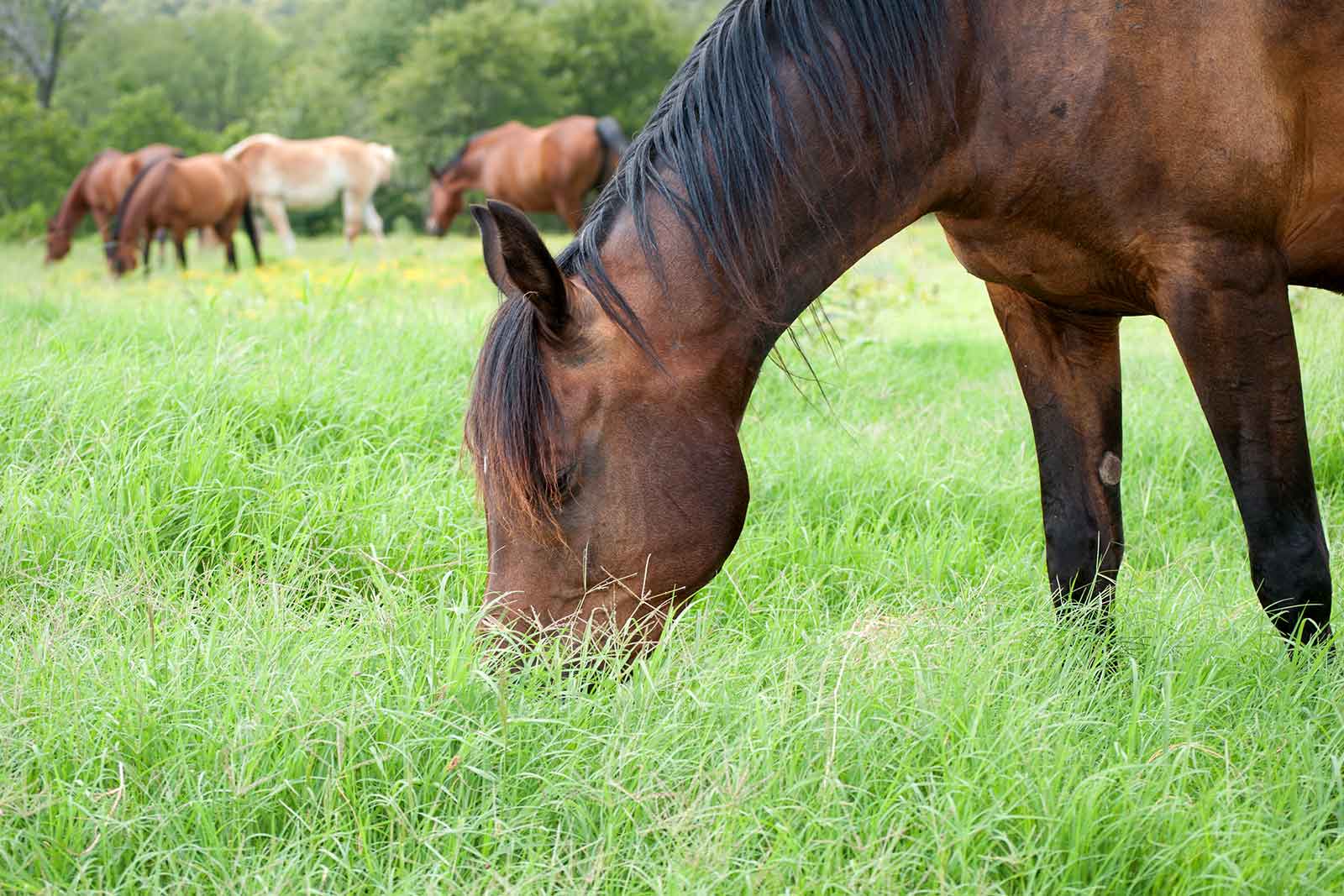
- Cross-grazing with cattle or horses is a dead end for sheep and goat larvae, because they can’t complete their lifecycle in the wrong host.
- Biological control removes the larvae in the dung before they reach the pasture at all.
Close enough of these doors at once and the worm population struggles to rebuild — keeping pasture infectivity, and your reliance on chemicals, low.
Integrated management
Integrated parasite management simply means using these levers together as a planned system rather than reaching for the drench gun alone. A sound program combines:
- Monitoring — faecal egg counts and FAMACHA to decide when and whom to treat;
- Effective treatment — drenches proven to work on your property, used in a way that preserves refugia;
- Grazing management — rest, rotation and cross-grazing to lower pasture larvae;
- Biological control — reducing larvae emergence onto pasture from the manure;
- Genetics and nutrition — selecting animals that resist and tolerate worms, and feeding stock well so they cope better.
Used together, these reduce losses, slow resistance and protect the working life of the drenches we have — the foundation of sustainable worm control.
Why Focus on Prevention?
- Fewer larvae on pasture means fewer larvae consumed.
- Lower infection pressure reduces production losses.
- Reduced reliance on chemical drenches helps slow resistance.
- Prevention supports long-term sustainable parasite management.
Key Prevention Principles
- Reduce pasture contamination.
- Avoid overgrazing.
- Use rotational grazing where practical.
- Monitor worm burdens regularly.
- Use effective drenches strategically.
- Reduce larval numbers before they reach pasture.