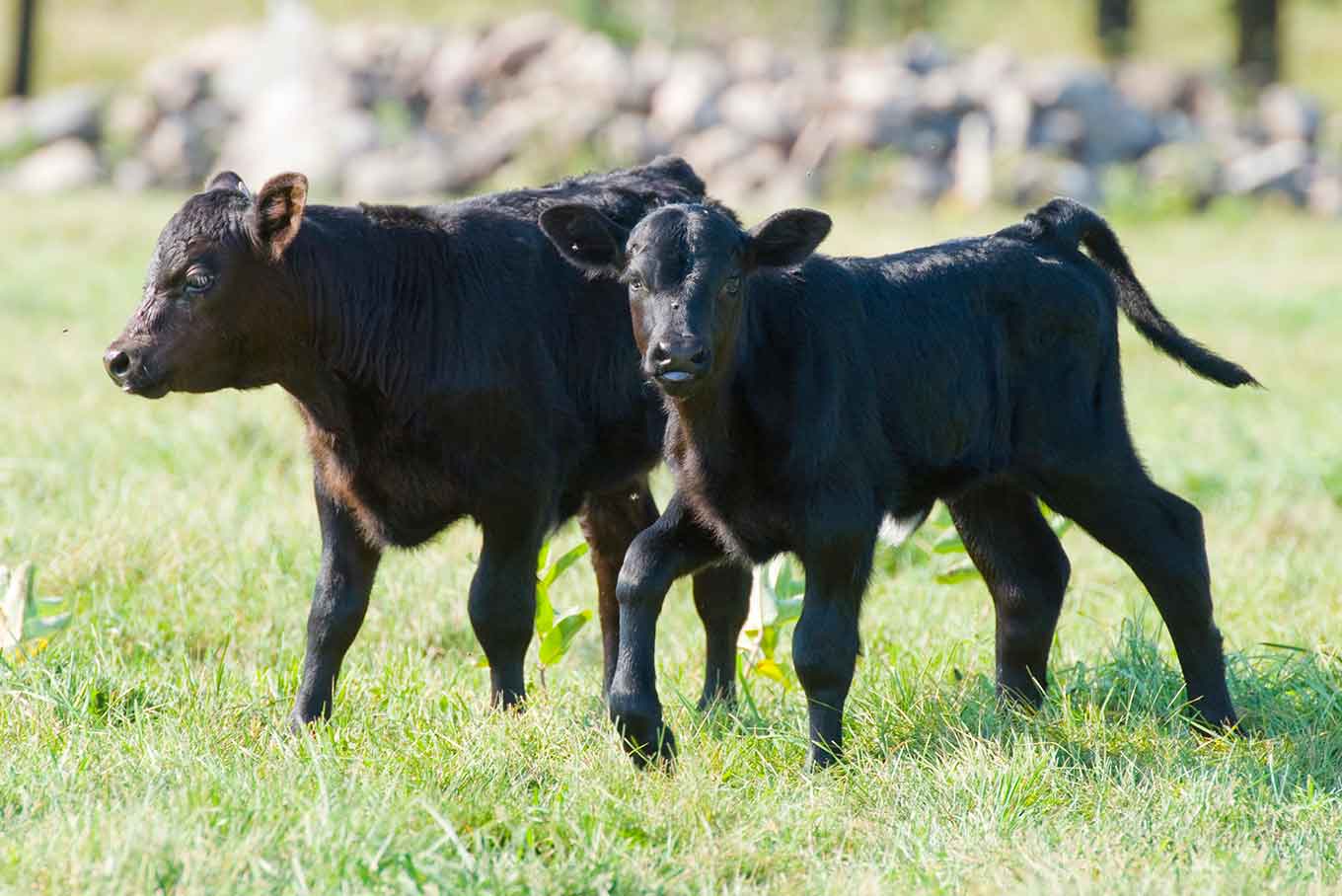
Cooperia is one of the most common roundworms found in cattle, particularly calves and yearlings in their first grazing season. The genus includes several species — Cooperia oncophora, Cooperia punctata and Cooperia pectinata — which live in the small intestine.
Cooperia rarely causes the dramatic illness seen with Barbers Pole Worm, but it is one of the most economically significant cattle parasites simply because of how widespread it is, and how readily it survives chemical treatment.
Symptoms
Cooperia infection causes signs typical of parasitic gastroenteritis: reduced appetite, intermittent watery scours, and poor weight gain. In many cases the infection is subclinical —there are no obvious signs of illness — but young cattle still lose growth and feed efficiency. Because symptoms are mild and easy to miss, the production cost of Cooperia is often underestimated.
Lifecycle Summary
Like other roundworms, Cooperia follows a direct lifecycle. Eggs pass out in manure and hatch into larvae that develop on pasture, reaching the infective (L3) stage within days to a few weeks depending on temperature and moisture. Grazing cattle ingest these larvae, which develop in the wall of the small intestine before emerging as egg-laying adults roughly three weeks later. Under heavy larval challenge, a portion of larvae can pause their development in the gut wall and resume later, which can delay the onset of symptoms. Cattle typically build strong natural immunity to Cooperia by around 12 months of age, so the parasite is mainly a concern in calves and weaners.
Treatment & Resistance Summary
Cooperia is recognised internationally as one of the parasite genera most prone to developing resistance to chemical drenches, particularly the macrocyclic lactone group (which includes ivermectin and moxidectin). Once resistance to one macrocycliclactone develops in a Cooperia population, reduced effectiveness across the rest of that drench class commonly follows. This growing resistance is why an integrated approach - pasture rotation, monitoring and non-chemical controls -is now widely recommended rather than relying on a single chemical treatment long-term.
Prevention Summary
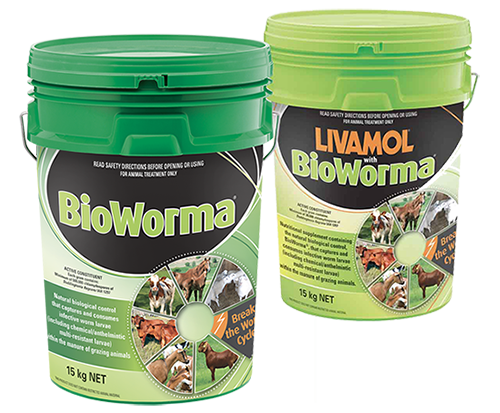
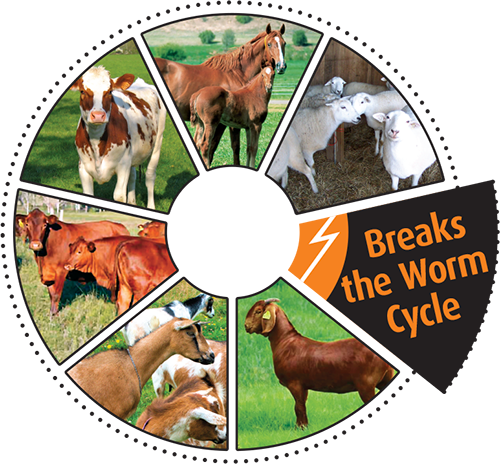
Reducing reliance on chemical treatment alone is central to managing Cooperia. Strategies include monitoring faecal egg counts to guide treatment decisions rather than treating on a fixed schedule, maintaining drench refugia, and resting or rotating pasture to lower larval contamination. Biological control also has an important role: in placebo-controlled cattle trials of Duddingtonia flagrans strain IAH 1297 — the active ingredient in BioWorma®, developed by International Animal HealthProducts (IAHP) in partnership with CSIRO — Cooperia was one of the nematode species encountered in the animals, and pasture larvae were reduced by an average of 81% (range 75–88%) over an eight-week period following treatment.
Source: Duddingtonia.com, “Short Term Efficacy Studies with Duddingtonia flagrans.”Cattle trial nematode species included Cooperia spp., Trichostrongylus spp., Oesophagostomum spp., Ostertagia spp. and Haemonchus spp., including multi-resistant strains.
Frequently asked questions
Ostertagia ostertagi, commonly known as the Brown Stomach Worm, questions answered — symptoms, treatment and prevention.
What does Cooperia do to cattle?
It lives in the small intestine and causes reduced appetite, intermittent scours and poor weight gain, particularly in calves and yearlings.
Is Cooperia dangerous?
It is rarely life-threatening on its own, but it is a major drag on growth rates and feed efficiency in young cattle, and contributes significantly to overall worm burden alongside other species.
Why is Cooperia hard to treat?
Cooperia has developed resistance to drenches including macrocyclic lactones (such as ivermectin) in many cattle populations worldwide, including in Australia, making chemical control less reliable than it once was.
At what age are cattle most at risk?
Calves and yearlings in their first grazing season are most susceptible. Cattle generally develop strong immunity to Cooperia by around 12 months of age.